
 Follow on Google
Ash Babiee’s viral transformation has left the internet asking one question: What happened?
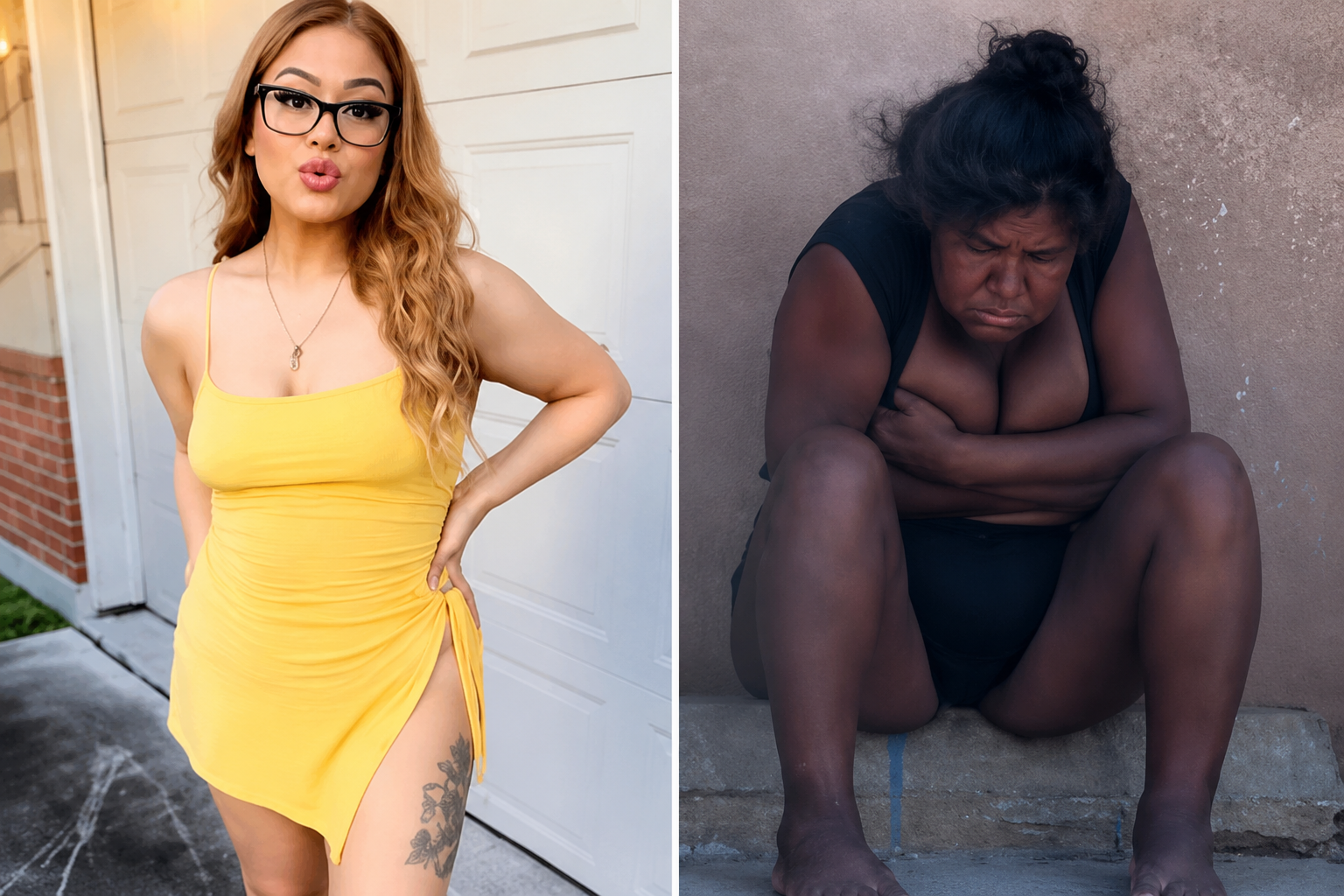
Two images captured on video of the same woman paint starkly different portraits. One image displays an Instagram-worthy lifestyle focused on style and glamor as she smiles for the camera surrounded by polished aesthetics of model living. The second shows the same woman unhoused and living on the streets of San Bernardino, California.
Ashley’s story recently went viral online, sparking widespread concern from the public along with ample speculation and judgment.
But behind the viral videos are mental health struggles that her family says have challenged Ashley for years.
Who Is Ash Babiee?
Ashley became known online as Ash Babiee, where she gained notoriety as an Instagram model and influencer. Like many social-media influencers, Ash cultivated a brand online that promoted glamour and aspiration. It’s the facade of what many digital influencers offer to an audience – a peek into their glamorous lives.
Until recently, that’s what her audience thought they were seeing. Ashley appeared to be living “the good life.”
That illusion was shattered when tweets from her alleged sister-in-law showed Ashley unhoused on the streets of San Bernardino, CA. The images set social media ablaze with concern for Ashley and frustration that she ended up homeless.
The Family’s Statement: Mental Health and Substance Use
Ashley’s brother released a public statement about her mental health and substance-use struggles.
According to Ashley’s brother, she has suffered from significant mental-health problems and also used drugs. Substance use disorders often accompany mental illness, which can have compounding (and often disastrous) effects.
Families whose loved ones struggle with both mental illness and addiction know just how difficult it can be to get that loved one the help they need. Families are often left pulling whatever strings they can to navigate a prohibitively expensive and ineffective treatment system.
Ashley’s brother says she has been professionally evaluated on numerous occasions. The family was also able to help her go to detox to combat her drug-use problems.
They subsequently brought Ashley into their home following detox. Ashley was able to go sober for roughly three weeks before she left the home.
Her brother goes on to state, As anyone in the drug or alcohol addiction world will tell you, relapse is common. Even with evidence-based treatment, people often relapse. It doesn’t mean they’ll never get better or deserve help.
Heroin and other opioids are particularly difficult for people to recover from due to “genetic memory.” Upon relapse, users can become addicted again in a matter of days.
The Broader Context: Homelessness in San Bernardino
Ashley is far from alone in her homelessness. San Bernardino County has leveraged homelessness and housing programs to assist homeless and at-risk citizens. Programs include:
ESG funds that go toward emergency shelters, rent assistance, and homeless prevention programs
San Bernardino Navigation Center, also known as “The HOPE Campus” is a homeless outreach and prevention education campus that can be used to house people experiencing homelessness temporarily
HOME Investment Partnerships and CDBG funds that go toward affordable housing and homeless services
San Bernardino County Substance Use Navigation Centers to help with homeless individuals who suffer from substance use disorders
While many counties and cities conduct annual homeless “headcounts” known as a PIT count, San Bernardino County uses the data to also leverage federal funding. Families in need can access emergency funds for shelter and housing through the Emergency Solutions Grant program.
A Shared Tragedy
Ashley’s story is just one snapshot of America’s homelessness problem. For every success story the world sees on social media, there are thousands of stories of people silently struggling with mental illness and substance use.
We never know who is battling something behind closed doors.
Ashley put forth a great effort to portray a positive image on social media. No one knows what happens behind closed doors, but it’s safe to say Ashley is fighting her own battle with substance use, mental health, and homelessness. Many Americans fight similar battles every day.
If you or someone you know is struggling with mental health or substance use issues, help is available. Contact SAMHSA’s National Helpline at 1-800-662-4357 for confidential treatment referral and information.